


Starting a fire is a happy thing at my mother’s place. Every evening she would collect the fallen leaves and dead branches from around the house and lit a small bonfire to chase the mosquitos away.
Whenever I return home from London or whenever her grandchildren make a visit, my mother would set up a traditional fish barbecue. A little bonfire is a special treat for the loved ones.
Burning is something she had learned since she was a rice farmer’s child in the village. It’s something that I started to learn from her in the recent years.
So far, I was taught that different fruit tree branches, leaves and firewood could produce certain smells and the right flavours for certain cuisines. The wrong type of smokes from printed papers or kerosene could make the food taste bitter.
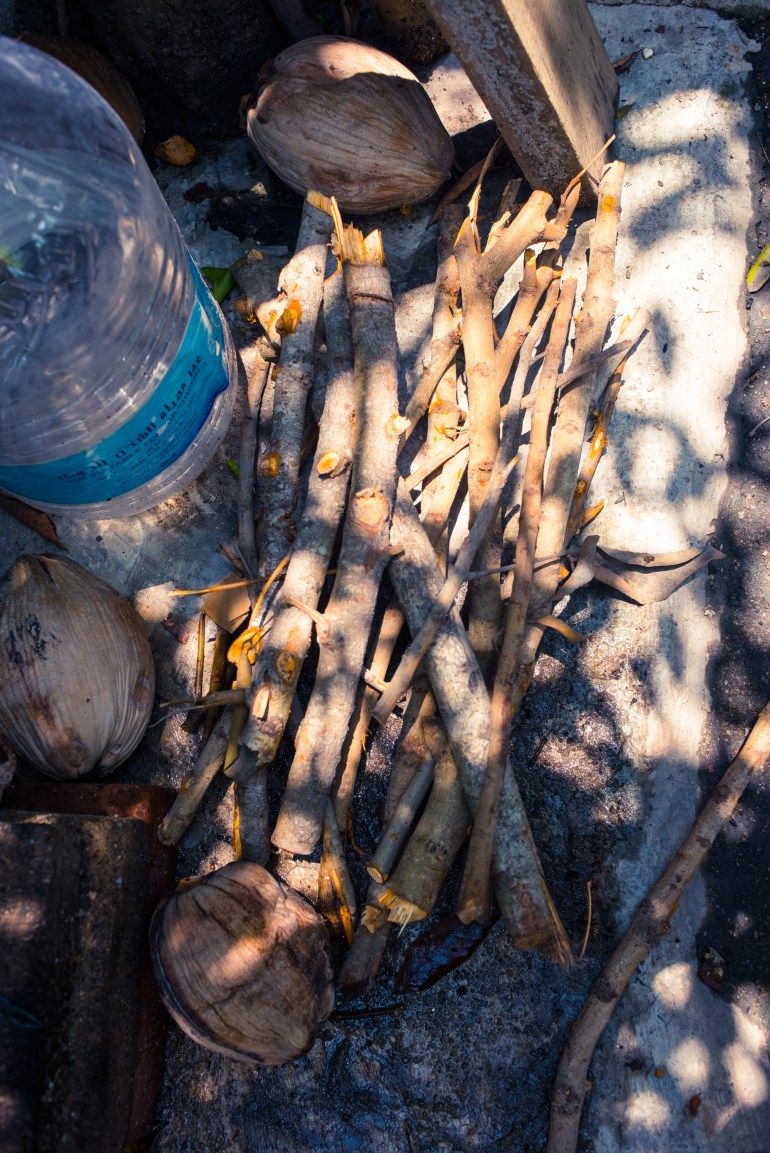
I’ve seen my uncle Pak Ngah and my aunts performed traditional burning at our ancestral home in Bota.
“Don’t you think it’s a bit dangerous?” I asked my aunt Mak Yah once, whilst eyeing the neighbours’ wooden houses with concern. “Don’t worry,” she said. “We all know how to burn properly.”
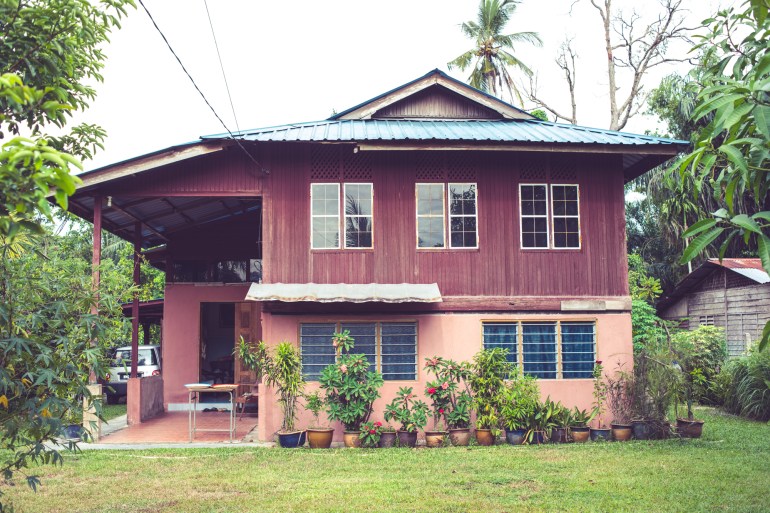
She was right. The traditional rice farmers know how burn dead branches properly without causing uncontrollable fire and severe pollution. That’s partly because it’s done within a small area and a short amount of time before the fire is put out.
Indigenous fire management is an ancient wisdom and known to many indigenous tribes such as the Aborigines in Australia.
It’s different when agriculture burning is performed in a massive scale by large farming corporations. The action is impersonal, cold and done without much care for the land.
Traditional farmers in our village also take stock of the trees, the livestock they own or the animals that inhabit their lands.
For example, my aunt would know the family of monkeys that raided her kitchen because they were hounded out by the neighbouring palm oil plantation. Or my uncle would know about the large python that lurks quietly at the bottom of our ancestral garden. “It’s body has a diameter of a banana trunk,” he said.
It’s different when agriculture burning is performed in a massive scale by large farming corporations. The action is impersonal, cold and done without much care for the land. This is no surprise because the land doesn’t belong to the employed farm workers and the objective is to maximise profits only.
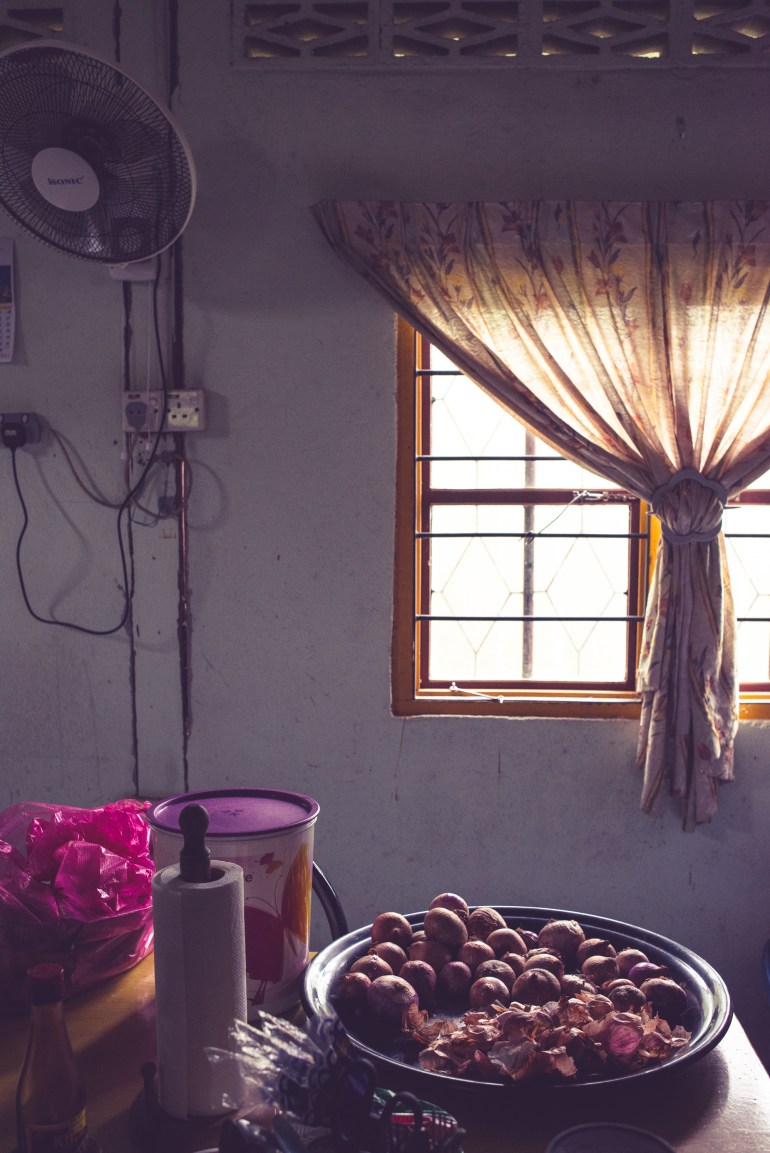
In October last year, I get to witness how the raging land-clearing fire from across the water in Indonesia caused over 600 schools to be shut in Malaysia. The haze caused migraines and other health complications. It also hindered regular activities such as exercising and even fishing at sea.
While I’m writing this in January 2020, a catastrophic fire is raging throughout Australia, causing billions of species to perish.
In an imbalanced climate and without care, a happy bonfire could snowball into a destructive monster wiping out the good memories that we’d created on our lands.
Useful read:
Our land is burning, and western science does not have all the answers.
There’s a 60,000-Year-Old Way to Help Stop Australia Burning

 After The Rain